

Für Shopify Brands in DACH

Verwandle jede Bestellung in einen Retention-Kanal.

rebond verbindet deinen Shopify Store mit personalisierten Experience Pages, QR-Codes, Branded Tracking und Opt-ins. So erreichst du Kund:innen genau dann, wenn Aufmerksamkeit, Vertrauen und Kaufbereitschaft am höchsten sind: nach dem Kauf.

Was ist Post Purchase Retention?

Post-Purchase Retention beschreibt alle Maßnahmen nach dem Kauf, die Erstkäufer:innen zu Wiederkäufer:innen machen. rebond ist eine Post-Purchase Retention Plattform für Shopify Brands und hilft dabei, QR-Codes, Tracking-Seiten, Produktwissen, Opt-ins und Wiederkaufimpulse in einer personalisierten Experience zu verbinden.

Problem

Viele Shopify Brands investieren viel Geld in Meta, Google, Influencer und Creatives. Der erste Kauf wird teuer erkauft. Danach passiert oft zu wenig: Kund:innen erhalten eine Versandmail, einen generischen Tracking-Link und irgendwann einen Newsletter.

Dabei ist der Moment nach dem Kauf einer der stärksten Touchpoints der gesamten Customer Journey. Die Kundin wartet auf das Produkt, öffnet E-Mails, scannt Paketbeilagen, prüft Tracking-Updates und beschäftigt sich aktiv mit der Marke.

Wenn dieser Moment nicht genutzt wird, bleiben Wiederkäufe, Opt-ins, Produktwissen und Kundendaten liegen.

Lösung

rebond macht aus jeder Shopify-Bestellung eine personalisierte Post-Purchase Experience. Kund:innen landen nicht auf einer statischen Danke-Seite oder einem generischen Carrier-Link, sondern auf einer markeneigenen Experience Page.

Dort kannst du je nach Produkt, Bestellung oder Kampagne unterschiedliche Inhalte ausspielen:

  • Pflegehinweise und Anwendungstipps
  • Styling-Guides und Tutorials
  • passende Produkte und Bundles
  • Refill- und Wiederkaufimpulse
  • WhatsApp- oder E-Mail-Opt-ins
  • Branded Tracking
  • Digital Product Passport Inhalte
  • Umfragen und Zero-Party-Daten

Wie rebond funktioniert

Shopify verbinden

rebond verbindet sich mit deinem Shopify Store und nutzt Bestell- und Produktdaten, um relevante Experiences nach dem Kauf auszuspielen.

Experience Page erstellen

Mit dem Builder erstellst du Seiten für bestimmte Produkte, Kategorien oder Kampagnen. Jede Experience kann Content, CTA, Opt-in, Produktmodule und Tracking enthalten.

QR-Code oder Link ausspielen

Die Experience kann über Paketbeilagen, QR-Codes, Versandmails, Tracking-Seiten, Produktetiketten oder WhatsApp erreichbar sein.

Verhalten und Umsatz messen

Du siehst, welche Experiences gescannt werden, welche Inhalte funktionieren und welche Touchpoints zu Opt-ins, Klicks oder Wiederkäufen führen.

Use Cases

Fashion & Apparel

Materialherkunft, Näherei-Standorte und Pflegehinweise als digitaler Produktpass – plus Styling-Guides und Reparatur-Service direkt nach dem Auspacken. Kund:innen scannen das Pflegeetikett und erfahren, woher die Bio-Baumwolle stammt, wer das Teil genäht hat und wie es ein Leben lang frisch bleibt.

Food & Beverage

Rezeptideen, Bezugsquellen einzelner Zutaten und Hofgeschichten der Erzeuger als erlebbare Markenwelt nach dem Kauf. Beim Scan der Verpackung sehen Käufer:innen, welcher Landwirt das Getreide angebaut hat, wie das Produkt verarbeitet wurde und welche Rezepte perfekt dazu passen.

Elektronik & Tech

Reparaturanleitungen, Ersatzteilverfügbarkeit und CO₂-Bilanz pro Bauteil – kombiniert mit Setup-Videos und Garantie-Aktivierung in einem Schritt. Statt einer Wegwerf-Bedienungsanleitung bekommen Kund:innen Zugriff auf alles, was das Gerät über Jahre nutzbar hält, inklusive transparenter Lieferkette für jedes Modul.

Beauty & Cosmetics

INCI-Aufschlüsselung in verständlicher Sprache, Hauttyp-Beratung und Refill-Optionen direkt vom Tiegel aus. Wer das Produkt scannt, sieht jeden Inhaltsstoff mit Funktion und Herkunft erklärt, bekommt personalisierte Anwendungstipps und kann Nachfüllpacks ohne Umweg bestellen.

Möbel & Interior

Aufbauanleitungen, Materialzertifikate und Pflegehinweise pro Komponente – ergänzt um Reparatur- und Rücknahme-Service für ein zweites Leben. Kund:innen verbinden sich beim Aufbau mit dem Hersteller, sehen welches Holz aus welchem Forstbetrieb stammt und behalten Zugriff auf Ersatzteile, solange das Möbel existiert.

Sport & Outdoor

Performance-Daten, Einsatzbereiche und Pflege-Tutorials für jedes einzelne Ausrüstungsteil – plus Community-Touren und Service-Termine. Beim Scan öffnet sich die komplette Produktbiografie: welche Tests bestanden, welche Materialien verbaut, wann der nächste Imprägnier-Service ansteht.
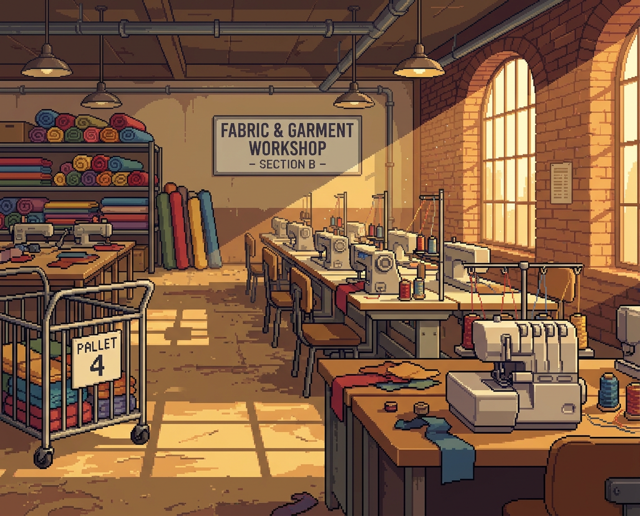
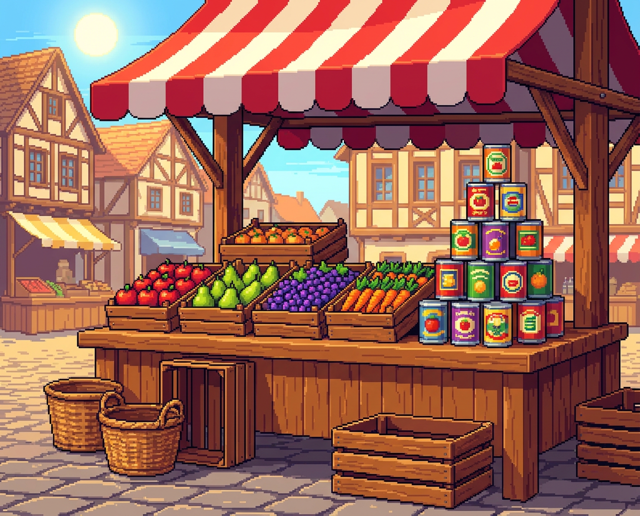
Fashion & Apparel Food & Beverage Elektronik & Tech Beauty & Cosmetics Möbel & Interior Sport & Outdoor

Warum Shopify Brands das jetzt brauchen

Acquisition wird teurer. Der erste Kauf allein reicht für viele Brands nicht mehr, um profitabel zu wachsen. Die entscheidende Frage ist nicht nur, wie du mehr Neukund:innen gewinnst, sondern wie du bestehende Kund:innen schneller zum zweiten und dritten Kauf führst.

Post-Purchase Retention hilft dabei, den teuersten Teil der Customer Journey besser zu monetarisieren: den bereits gewonnenen Kunden.

Sprich mit unserem Founder

Keine Slides. Kein Verkaufsgeschwafel. Nur ein Live-Walkthrough, wie rebond deine Retention maximiert.

FAQ

Häufige Fragen

Was ist Shopify Post-Purchase Retention?

Shopify Post-Purchase Retention umfasst alle Maßnahmen nach dem Kauf, die Kund:innen zu Wiederkäufen, Opt-ins oder stärkerer Markenbindung führen. Dazu gehören QR-Codes im Paket, Branded Tracking, personalisierte Experience Pages, Refill-Angebote, Tutorials und Follow-up-Flows.

rebond eignet sich besonders für Brands mit erklärungsbedürftigen Produkten, Wiederkaufpotenzial oder starkem Markenanspruch. Dazu gehören Fashion, Beauty, Supplements, Food, Home, Fitness und Consumer Electronics.

Nein. rebond ersetzt E-Mail-Marketing nicht, sondern ergänzt es. Klaviyo steuert Kampagnen und Flows. rebond schafft zusätzliche Touchpoints nach dem Kauf, sammelt Opt-ins und verbindet Produktwissen, QR-Codes und Tracking mit Retention.

Nein. Experiences können über den Builder erstellt und angepasst werden. Shopify-Daten helfen dabei, Inhalte passend zu Bestellung, Produkt oder Kampagne auszuspielen.

Ein erster Use Case kann typischerweise mit wenigen Produkten, einer Experience Page und einem QR-Code oder Tracking-Link starten. Danach lassen sich weitere Kategorien und Kampagnen ausbauen.

BLOG

Erfahre mehr über Post Purchase Marketing und den DPP

Wie funktionieren Upsells in Shopify?

Shopify unterstützt Upsells an mehreren Stellen. Die meisten Shops setzen sie auf der Produktseite oder im Checkout ein. Der wertvollste Upsell-Moment ist dabei oft ungenutzt: nach dem Kauf, wenn der Kunde bereits konvertiert hat und seine Aufmerksamkeit trotzdem für 48 bis 72 Stunden erhöht bleibt.

Was ist Retention Marketing?

Neue Kunden zu gewinnen kostet fünfmal so viel, wie bestehende zu halten. Trotzdem fließt das meiste Budget in Acquisition. Retention Marketing ändert diese Rechnung – grundlegend.

Fragen?
☝️ scrollen

Future-Proof Growth: Scale with Regulation

The Problem: The Volume Trap

Compliance is manageable with 50 products, but it becomes a nightmare with 5,000. As your brand grows, the administrative burden of tracking supply chains and managing certificates usually grows exponentially. Hiring more people to manage more spreadsheets is a costly strategy that kills agility and increases the risk of human error.

The Solution: API-First Automation

We designed our platform for high-volume complexity. Our „DPP Engine“ allows you to generate and manage thousands of product identities simultaneously. Using a headless architecture, our system integrates directly with your existing tools (ERP, PIM, Shopify) to pull data and push compliant passports automatically. The system works for your catalog, not the other way around.

How It Works: The „Mass-Action“ Workflow

  1. Connect Your Stack: Link your existing data sources (Shopify, Akeneo, or Excel) via our APIs or pre-built connectors.

  2. Batch Generation: Select an entire collection or season. The system applies the correct compliance template and generates unique, serialized DPPs for every item in seconds.

  3. Future-Proofing: When regulations change, you don’t need to rebuild. We update the data model centrally, allowing you to apply new requirements to your entire live catalog with one bulk update.

The Result: Unlimited Scalability

Double your SKU count without doubling your compliance team. Stay agile and ready to enter new markets or categories without technical friction or increased overhead.

From Claims to Proof: Trust by Transparency

The Problem: The „Greenwashing“ Crisis

Modern consumers are skeptical of vague terms like „eco-friendly.“ This erosion of trust is a business risk: shoppers increasingly ignore claims they cannot verify. Furthermore, the EU Green Claims Directive will soon make unsubstantiated marketing promises illegal. If you claim a product is „fairly made,“ you must prove it with data—or face significant fines.

The Solution: A Verified Claims Layer

We transform the Digital Product Passport into an active Trust Layer. Instead of hiding certifications in your website’s footer, our platform attaches verifiable evidence directly to the specific product unit. You don’t just ask customers to „trust you“; you show them the valid GOTS certificate linked to that exact production batch.

How It Works: The Evidence Pipeline

  1. Central Asset Management: Upload certifications, lab reports, and audits (e.g., Oeko-Tex, Fairtrade) into your central database once.

  2. Smart Allocation: The system automatically links these documents to the relevant materials and batches. If a certificate expires, you are flagged immediately.

  3. Consumer-Facing Proof: On the public DPP page, claims like „Recycled Polyester“ are highlighted as „Verified.“ Users can click to see the source authority, creating unmatched transparency.

The Result: Unshakable Brand Trust

Immunize your brand against greenwashing accusations and win over high-value customers who prioritize honesty. In a crowded market, transparency becomes your strongest competitive advantage.

Peace of Mind: Compliance by Design

The Problem: The Regulatory Maze

New EU laws like the ESPR are turning product data into a legal mandate. You must document how a product was made, its durability, and its recyclability. These regulations are evolving and differ by category. Trying to manually track every new „Delegated Act“ while updating spreadsheets is a full-time job that distracts you from building your brand.

The Solution: Always-On Compliance

Our platform „knows“ the law. Instead of empty text boxes, we provide intelligent DPP Templates pre-configured with the exact mandatory fields required for your specific product category. We translate complex legal texts into structured data requirements. If the EU updates a rule, we update the template and alert you to the changes.

How It Works: The „Guardrails“ Approach

  1. Select Category: Tell the system what you are selling (e.g., „Apparel / T-Shirt“).

  2. Smart Template: The system loads the relevant compliance profile based on current ESPR standards and CIRPASS recommendations, highlighting mandatory vs. optional data.

  3. Validation: Before publishing, our „Compliance Check“ scans your data for missing fields or invalid formats, ensuring you never release a non-compliant passport.

The Result: Zero Liability Risk

Launch your Digital Product Passports with confidence. You meet current legal standards and avoid greenwashing accusations, while our platform handles the regulatory complexity in the background.

Data-Backed Credibility: Automated Product Footprint Analysis

The Problem: The „Impact Calculation“ Bottleneck

Under the Green Claims Directive, vague sustainability claims are a thing of the past. You now need hard data: exact CO2 equivalents, water usage, and energy metrics for every SKU. Traditionally, Life Cycle Assessments (LCAs) are slow, expensive, and trapped in outdated spreadsheets that break the moment a supplier changes a process.

The Solution: Automated Environmental Intelligence

We treat environmental impact as a dynamic attribute, not a static report. By integrating with leading LCA engines (like Carbonfact or Higg MSI), our platform automates the complex math behind the scenes. Your Digital Product Passports display verified, granular impact data that stands up to regulatory scrutiny – without you needing a PhD in climate science.

How It Works: From BOM to Badge

  1. Ingest & Map: The system analyzes your Bill of Materials (BOM), such as „80% Organic Cotton, 20% Recycled Polyester.“

  2. API Calculation: This data, along with your mapped supply chain steps, is sent to our LCA partners via API.

  3. Live Updates: Precise values (e.g., „4.5 kg CO2“) are returned and pushed to the DPP instantly. If you change a material, the footprint updates automatically.

The Result: Audit-Proof Transparency

Deliver credible, data-backed claims that build customer trust while remaining 100% compliant with EU regulations. Your team stays focused on design, while our system handles the math.

Beyond the Label

The Problem: The Tier 1 „Black Box“

Most brands know who stitches their clothes, but have little visibility into who spun the yarn or grew the cotton. With upcoming regulations like the ESPR (Ecodesign for Sustainable Products Regulation), ignorance is no longer an option. Gathering deep-tier data via endless email chains and spreadsheets is slow, error-prone, and impossible to scale.

The Solution: A Digital Chain of Custody

Our platform transforms your supply chain into a connected network of Nodes (facilities) and Steps (processes). Instead of simple text labels, we create verified links to specific factory profiles. Whether you import data from traceability partners or map it manually, you build an audit-proof record of every hand that touched your product.

How It Works: Journey Mapping

  1. Define Your Actors: Create profiles for suppliers and specific facilities, storing certifications (like GOTS or Oeko-Tex) directly on their profile.

  2. Map the Sequence: Define the production flow for each model—from fiber extraction and spinning to dyeing and assembly.

  3. Link the Batch: When a new batch is produced, the system automatically pulls the relevant location data and certificates for that specific production window.

The Result: Transparency That Sells

Achieve full compliance with EU transparency laws while gaining a powerful marketing asset. By displaying a verified „Product Journey“ map to your customers, you prove your sustainability claims and differentiate your brand from the noise of greenwashing.

One Change. Everywhere.

The Problem: The Maintenance Trap

In fashion and e-commerce, a single change – like a renewed GOTS certificate or an updated CO₂ value – can trigger a logistical nightmare. Manually updating every SKU and spreadsheet is not only slow; it’s a major compliance risk. One missed file, and your Digital Product Passport (DPP) is no longer compliant.

The Solution: A Single Source of Truth

Our platform is built on a relational data model, not a flat list. We treat suppliers, raw materials, and certificates as independent „assets“ in a central database. Your products don’t just copy this data; they maintain a live link to it. Your DPPs act as dynamic windows into your central data hub.

How It Works: The Update Cascade

  1. Central Update: You update a data point once in your dashboard (e.g., a new supplier certificate).

  2. Intelligent Mapping: Our system automatically identifies every product, batch, and individual item linked to that asset.

  3. Instant Propagation: The change is pushed to all linked DPPs in real-time. Whether you have 50 or 50,000 active passports, they are all updated instantly.

The Result: Maximum Scalability

Achieve 100% compliance across your entire catalog with a single click. Free your team from the burden of data entry and focus on what matters: your product and your brand.